


On 1 December, Singapore’s IMDA and EDB quietly announced the start of DC-CFA2 in a press release. For those outside the region, it is worth noting that the DC-CFA, short for Data Centre – Call for Application, has emerged as the primary route to building new data centres in Singapore.
From the outside, DC-CFA2 with just 200MW of capacity offered seems barely worthy of coverage. But Singapore is a mature and significant data centre hub. Despite massive growth by regional rivals over the last 24 months, it maintains a substantial connectivity lead with over two dozen active subsea cables. Coupled with an extremely low data centre vacancy, the Singapore data centre market is one that is closely watched.
An extremely high bar
What do the requirements in the DC-CFA2 tell us? For one, it sets an extremely high bar for data centre operators hoping to get some of the 200MW of promised capacity. This means smaller operators without substantial financial reserves, and operators without data centres in at least one or two other nearby countries, won’t stand a chance at all.
Part of the reason the bar is so high is due to its requirement for at least 50% green energy use. This is a lot, and as far as I am aware, has no precedent as a national policy anywhere else without an abundance of renewables. The requirement for data centre operators to utilise so much green energy will substantially increase costs. And Singapore is already one of the priciest data centre markets in the world. Does it even make sense?
Yes, but only if one looks beyond data centres and at what Singapore is trying to do as a nation. Consider how nations are running up against resource constraints, whether around water in Johor or electricity in parts of Thailand. Perhaps Singapore is merely thinking three steps ahead. Because at its core, this is a game of resources. And in this case, that means renewables.
I’ve written a deeper, 1,800-word analysis on Substack as a paid piece. It’s part of an experiment about potential demand for deeper, insightful pieces. Read “Singapore’s audacious bet on sustainable data centres” here.
A challenge not unique to Singapore
I clearly remember the unveiling of the Green Data Centre Roadmap on 30 May 2024, which sent a strong signal that Singapore is serious about building sustainable data centres - and is willing to incentivise the creation of a vibrant ecosystem to do things differently. But why go to such lengths? The short answer: to keep its climate commitments and to build new capabilities and innovation in the sector.
Or as I wrote previously, Singapore is seeking to create a virtuous cycle of data centre efficiency by moving beyond tired and limited approaches such as the use of NEWater and installing solar panels on the rooftops. Instead, it seeks a reinvigorated approach by building an ecosystem biased towards incorporating efficiency across the entire digital stack.
Encapsulated within this strategy is a clear understanding: while Singapore, given its small size, is running up against resource constraints much earlier than others, it is a challenge that all nations will eventually face.
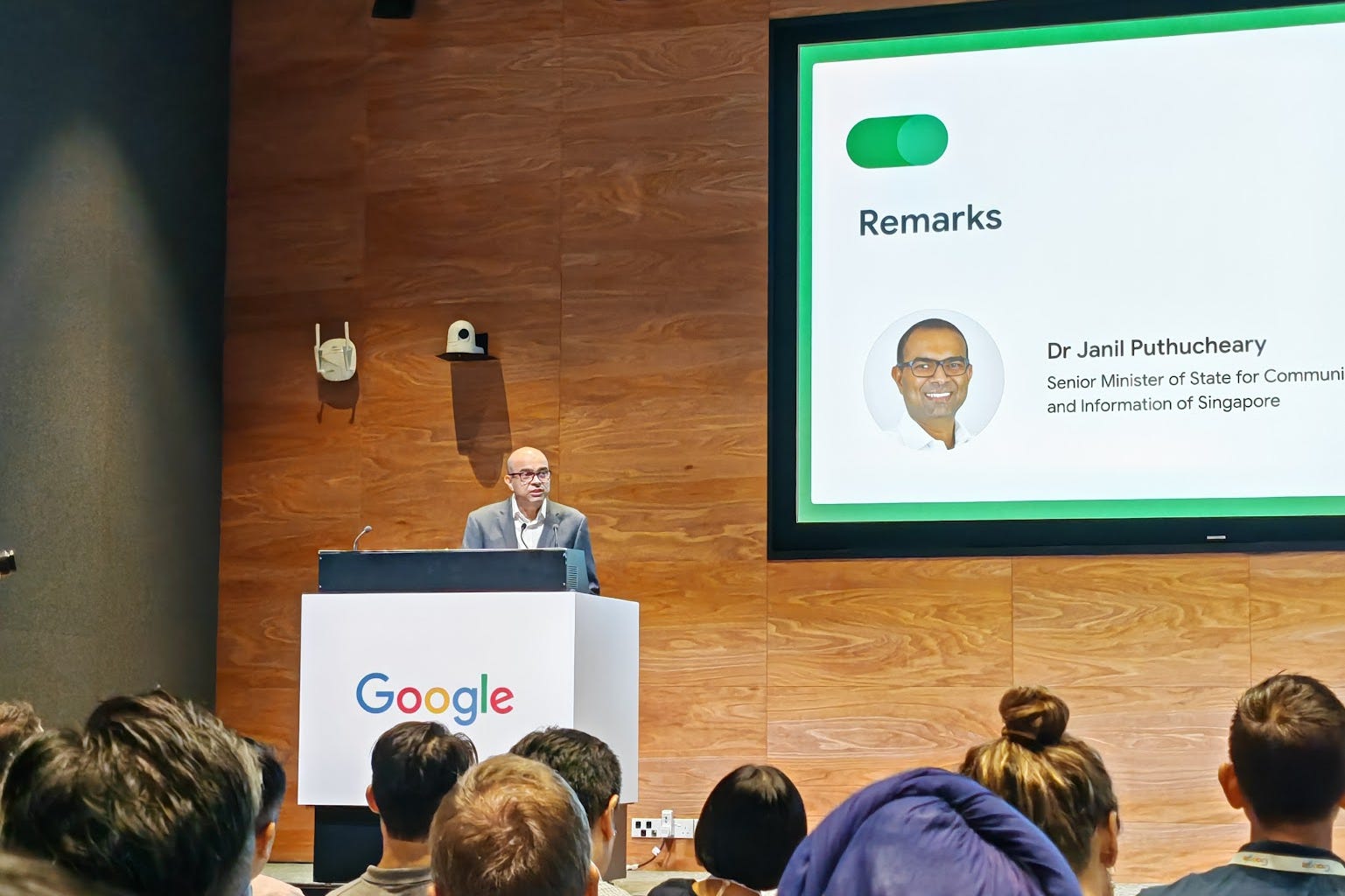
As Senior Minister of State Dr Janil Puthucheary said at the launch of Google’s fourth data centre in Singapore last year: “This challenge [of sustainability] is not unique to Singapore; eventually, all of us, wherever we are in the world, are going to be faced with these constraints.”
Ample room for growth
Asia, and Southeast Asia in particular, has incredible room for growth. To be clear, I don’t believe we will do the kind of multi-gigawatt AI training like what we are seeing in certain parts of the world. Instead, our growth will be fuelled by organic demand and AI inference workloads.
Think about it. Even if AI models never get any better than what we have right now, they’re already good enough to reshape industries for years, even decades. And this will happen through AI inference, which we will want to deploy locally or at least within a regional data centre.
Whether for on-premises systems, public cloud, or AI workloads – Asia needs many more data centres given its population and digitalisation. Now, you might have heard talk of an AI bubble and an impending crash. Others say there’s no bubble; that we’re at the start of a supercycle unlike anything before.
Here’s how I see it. In the worst case, organic demand in Asia could be our backstop against a global crash. In the best case, the growth in other markets will ripple out to us soon.
But supporting more data centres ultimately boils down to energy. And in a world where we actually care about the future of the planet, that means renewables. Singapore simply appears to have recognised this earlier than most.
A version of this first appeared in the commentary of my free Tech Stories newsletter that goes out every Sunday. This newsletter is a digest of other stories that I wrote in the preceding week. To get it in your inbox, sign up here.